T9 30120
September 7, 2026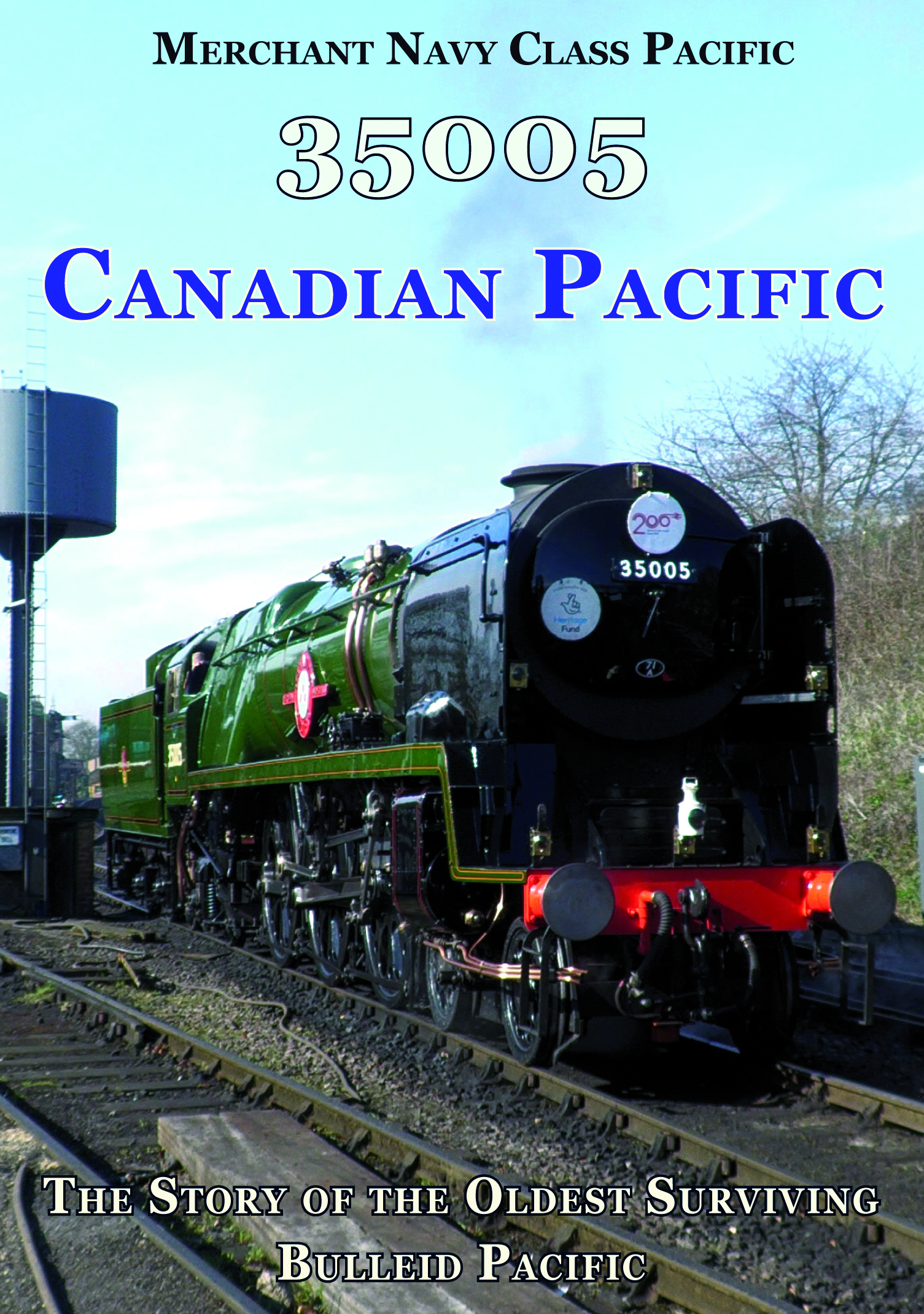
35005 Canadian Pacific – Story of the Oldest Surviving Bulleid Pacific
£14.95
35005 Canadian Pacific
The story of this remarkable surviving member of the wartime-built Merchant Navy
Class. No. 35005 Canadian Pacific was constructed at nearby Eastleigh Railway Works during
the middle of hostilities in World War Two. No. 35005 emerged from the Works in late
December 1941 looking very different from today as it was in O V S Bulleids original
design with flat side boiler casing and all the valve gear from its three cylinders contained
within an oil bath between the frames.
During the mid 1950s it was decided to rebuild the whole class with a more traditional
look and outside valve gear and many other improvements. Canadian Pacific would receive
that rebuild in mid 1959. With the demise of steam on the Southern
Region beckoning, the locomotive was withdrawn from service just six years later from its
final depot at Weymouth in 1965. Luckily for this and nine other members of the
merchants, they would end up at Barry in South Wales and a scrapyard that held onto
most of its rows of engines. The engine was bought and moved to Lancashire in 1973
and then re-sold privately for restoration at the Great Central Railway.
A term of operating at the GCR and then on the main line in blue livery followed
until it was moved to the Mid-Hants Railway for more main line work.
In 2006 the locomotive was sold to the MHR and withdrawn for overhaul two years later.
In 2025 Canadian Pacific was re-launched following an extensive
overhaul costing over £1.2m involving heritage lottery and some
match funding. This programme looks at the early life in preservation
of 35005 and the latest overhaul in detail with exclusive footage of the boiler overhaul and re-introduction to service.
Approximately 50 minutes duration
Related products
-
Steaming to Hampshire and Dorset
£16.95STEAMING TO
Hampshire and Dorset
A nostalgic journey by train from London’s Waterloo station down to the counties of Hampshire and Dorset.
We begin our journey at the London & South Western Railway’s terminus station at Waterloo which was completely rebuilt following the First World War and opened in 1922 by HM Queen Mary. Its many platforms and bustling atmosphere is seen in the mid 1960s at a time when steam haulage to the south coast was nearing an end.
Soon after our departure, we get glimpses of the depot at Nine Elms and scenes from the trackside of Bulleid pacifics at work and at speed through Clapham and on to the county of Hampshire. We stop at Winchester and Eastleigh where we view the main line trains and some local services added to a visit around the motive power depot and view older Southern classes at the end of their service periods and visitors from the LNER in the form of Flying Scotsman, the Great Marquess and Blue Peter.
After Northam and Southampton Terminus is seen, we stop at Southampton Central for an indepth survey of steam services in 1966 and 1967. We progress through the New Forest to Brockenhurst and a stopover to take a journey down to Lymington with various engines including Standard tanks and Ivatt 2-6-2Ts.
Our onward journey takes us to Bournemouth and the magnificent station buildings and locomotive depot where we see many engines on shed.
Finally, we spend time at Wareham and a trip through Purbeck down to Swanage before we reach the end of the South Western Main Line at Weymouth and its depot full of locomotives either in service or waiting to depart for scrapyards in South Wales.
80 minutes duration
-
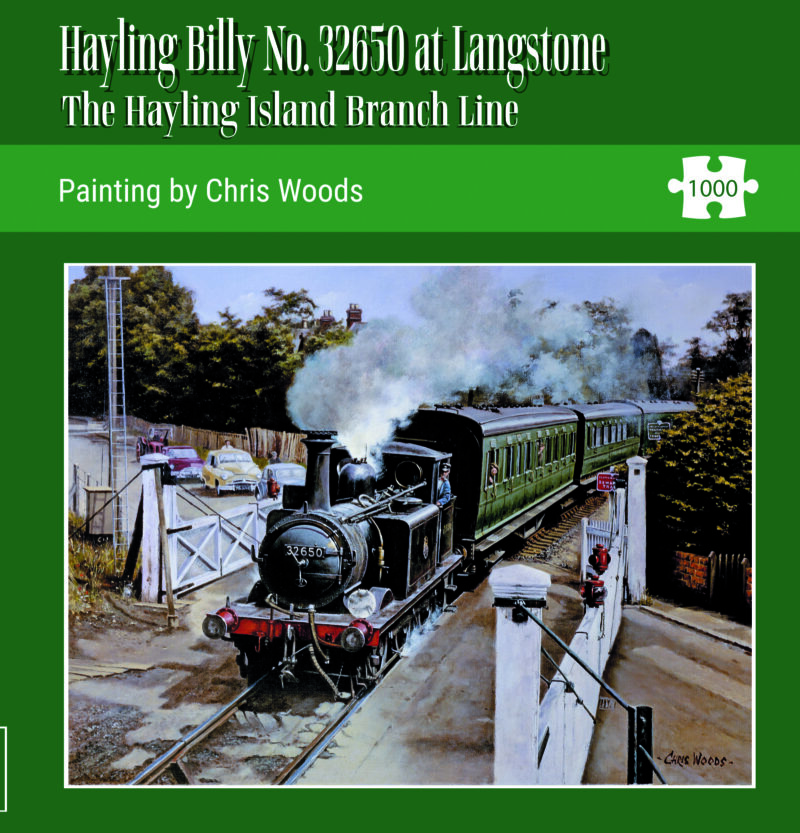
Hayling Billy Jigsaw
£23.95No. 32650 at the Langstone Crossing A 1000-piece jigsaw from a painting by Chris Woods. This jigsaw depicts ‘Terrier’ Class No. 32650 on the Hayling Branch […]
-
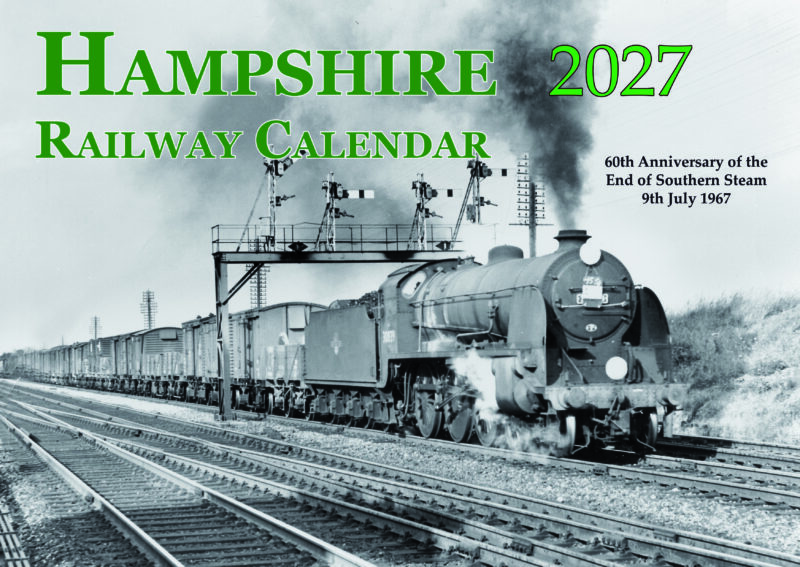
Hampshire Railway Calendar 2027
£9.95The 2027 Hampshire Railway Calendar. Commemorating 60 years since the end of Southern Steam – 1967 12 full-page historical photographs of stations and locomotives around […]
-
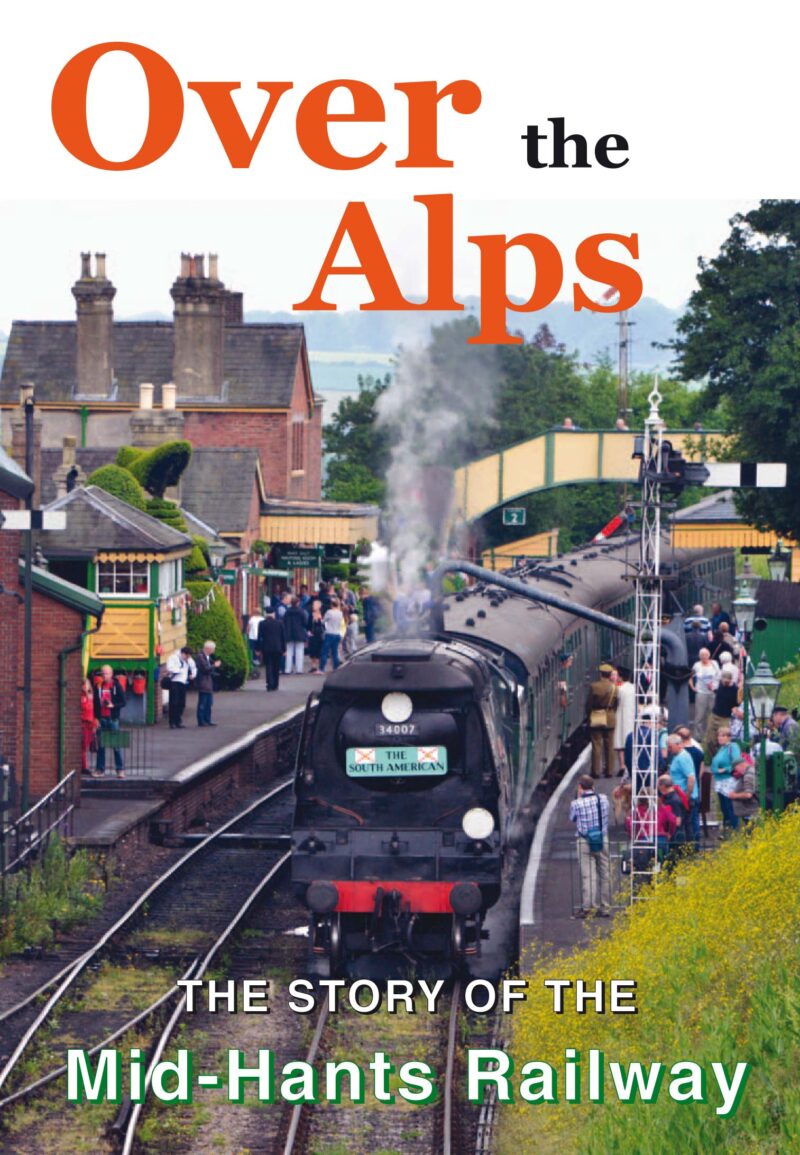
‘Over the Alps’ – The Story of the Mid-Hants Railway
£12.95A completely updated DVD presentation about the Mid-Hants Railway from its construction in the 1860s up to the present day with its preserved section between […]